



Endless Breeding. Never-Ending Suffering.


1. Cats and dogs' ears are clipped to indicate desexing.
2. Free desexing is available at designated clinics for cats and dogs living on the streets (stray/semi-stray) to prevent overbreeding.
3. Not applicable for cats and dogs awaiting adoption or already adopted, and those living in public housing, subsidized housing, or private buildings.
4. Animal Friends is not responsible for capturing and transporting animals.
5. Animal Friends reserves the right to final approval.


Mission in Action - Combat the root cause of stray cat and dogs
Desexing · Medical · Food
Animal Friends is a registered non-profit organization in Hong Kong, supported by volunteers and compassionate people who care deeply about animals.
Since 2010, we have been helping stray and free-roaming cats and dogs in remote communities and villages by providing free desexing, medical care and food.
Thanks to the generosity of our supporters, over 22,311 cats and dogs have been desexed, 75% of them female. Every desexing helps prevent unwanted litters and reduces the number of animals facing abandonment, suffering and euthanasia.
But our work goes beyond desexing.
We also provide essential medical treatment, food and basic animal-care education, helping owners and communities understand how to care for the animals who depend on them.
Your kindness can change a life.
Every donation, big or small, helps provide desexing, medical care and food to animals in need.
Together, we can reduce animal suffering, prevent abandonment and give more cats and dogs the safe, cared-for lives they deserve.

Animal Friends Community Animal Desexing Figure
2010 - SEP 2026. We have desexed
Total 22,311
cats and dogs.

7,759
Female Dogs

2,731
Male Dogs

7,017
Female Cats

4,400
Male Cats
Why does Animal Friends offer Free Desexing?
The cost of desexing ranges from $1,000 to $3,000, which not everyone can afford. Stray cats and dogs in villages and communities are often numerous, and not neutering them will only worsen the problem, leading to neglect, hunger, accidents, and even death.
Animal Friends encourages stray animal feeders and semi-stray animals' owners to bring their cats and dogs to clinics for free desexing can improve animal health and prevent thousands of unwanted births.
If you have stray cats and dogs, please take the extra step to desex them.
Or you can help to spread the message and donate to Animal Friends if you support desexing. Thank you!"





Semi-stray Cats and Dogs
in Hong Kong
Despite being a small international city, Hong Kong has many villages and communities in the northwest New Territories where most cats and dogs are not pets and become stray animals due to lack of protection and care.
-
In the villages and communities of the New Territories, merchants and villagers keep cats and dogs to control rodents and guard their homes, allowing them to roam freely, a practice known as 'free-roaming.'
-
However, most of these animals receive inadequate care, eating leftovers and drinking from mossy water dishes. They scavenge for food in garbage dumps, and if tied up or trapped, they may go hungry for life.
-
Due to a lack of awareness or financial constraints, owners do not neuter their animals, leading to continuous breeding and the suffering of innocent lives. These animals face hunger, illness, injury, abandonment, and death, trapped in a cycle of tragedy.
-
Some are given away to unsuitable owners, perpetuating the cycle and subjecting more lives to misfortune.
<< The Endless Cycle of Dog Breeding >>
These are all familiar stories, have you encountered them?
Female dogs can give birth at 6 months old, twice a year, with 6-10 puppies each time.
To reduce the number of stray animals, please have your dogs neutered."


Benefits of desexing
-
Cats and dogs can be neutered at around 5 months old. Neutering is the most effective and humane way to control animal populations, and it also has many benefits for animal health and the community.
-
Desexing reduces anxiety and reproductive disease in female pets and makes them physically stronger. Neutered male pets are more focused on guarding their homes and less likely to roam or fight, reducing injuries and community disturbances.


All Videos

Please donate and support
Animal Friends
100% Volunteer Organization 0% Administration Fee
Community Animal Free desexing
Animal Friends Medical Fund
ANimal Friends Foodbank
請捐助支持動物朋友
Please donate and support
Animal Friends
100%義工組織 0% 行政費
100% Volunteer Organization
0% Administration Fee

BankTransfer
ACCOUNT NAME:
Animal friends limited
HSBC
400-865-929-838
Bank of China
012-394-000-429-52
Hang Seng Bank
789-603-263-883
Monthly donation thru bank account Set up "Recurring instruction" on your online banking page.
Cheque
Payable to " Animal Friends Limited"
Please post a cheque to Latitude CPA Limited c/o Animal Friends.
Unit 1821, 18/F., Star House,
3 Salisbury Road, Tsimshatsui,
Kowloon, Hong Kong.
Love THEM For Life
help them forever
Animal Friends is one of the beneficiary NGO
of " Policy Donation" and "Forevergift.hk"


ABOUT ME
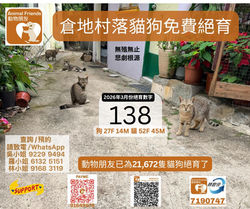
animal friends community animal desexing monthly figure album
This photo album chronicles our years-long efforts to desex the cats and dogs in rural areas. Since 2013, we have meticulously recorded the number of animals we successfully desexed each month, and lovingly captured their faces in these pages.
As you flip through this album, you will see the living conditions and health status of these animals. Some are female dogs in a constant cycle of breeding, while others are innocent puppies. We may not be able to ensure they are healthy and well-fed for life, but we can at least desex them to stop the endless cycle of reproduction. After desexing, their health and living situation often improve. Each photo represents the result of our dedicated care and protection.
We hope you will take the time to browse through this album and feel the impact of our work. Please consider supporting our efforts to provide care and compassion for these helpless animal friends. Together, we can make a difference in their lives.

 |
|---|
 |
 |
 |
 |
 |
 |
 |
 |
 |
 |
 |
 |
 |
 |
 |
 |
 |
 |
 |
 |
 |
 |
 |
 |
 |
 |
 |
 |
 |
 |
 |
 |
 |
 |
 |
 |
 |
 |
 |
 |
|
 |
 |
 |
 |
 |
 |
 |
 |
 |
 |
 |
 |
 |
 |
 |
 |
 |
 |
 |
 |
 |
 |
 |
 |
 |
 |
 |
 |
 |
 |
 |
 |
 |
 |
 |
 |
 |
 |
 |
 |
 |
 |
 |
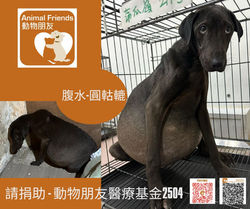
Animal Friends Medical Fund
When arranging for the neutering of cats and dogs, we often encounter animals that are seriously injured or ill, some of which are even in danger of losing their lives. Therefore, in addition to neutering and providing food, our medical expenses are also very high. We hope that everyone can donate and help these animals through difficult times
 |
|---|
 |
 |
 |
 |
 |
 |
 |
 |
 |
 |
 |
 |
 |
 |
 |
 |
 |
 |
 |
 |
 |
 |
 |
 |
 |
 |
 |
 |
 |
 |
 |
 |
 |
 |
 |
 |
 |
 |
 |
ANimal Friends Foodbank

We fundraise for food every month to provide for 600 stray animals in shelters and those still wandering the streets, improving their living conditions and ensuring they have enough to eat. We also provide food to low-income/elderly pet owners, hoping to alleviate the suffering of their cats and dogs from hunger.

Animals affected under redevelopment
More get desexed, less get suffered in government's resumption of land learn more...


Leaflet Distribution. Learn More...


動物朋友倉地/村落貓狗免費絕育
LEARN More about us
Phoebe Lo Jessie Ng Ivy Lam
We are Animal Friends

Phoebe Lo 6132 5151 phoebe@animalfriends.org.hk
Jessie Ng 9229 9494 jessie@animalfriends.org.hk
Ivy Lam 9168 3119 Ivy@animalfriends.org.hk


